


Muscle Spasms.
It's happened to all of us at some point in our lives. You're running, walking, driving, or just sitting, and all of a sudden — BAM — it hits without warning, causing extreme pain. A muscle in your leg becomes hard as a rock, tightening and contracting. You lay there wondering what's going on. It's the involuntary contraction of muscle fibers, otherwise known as a muscle cramp.
It can happen virtually anywhere you have muscle fibers, including the foot, calf, thigh, hands, arms, abs, and neck. Literally any muscle is susceptible to spasm and eventually cramp. When this happens, sometimes all it takes is a good stretch — or a visit to a good chiropractor — to get rid of the cramp. Trying to extend and massage whatever muscle is cramping can also solve the problem.
So, why does this happen, and how do you stop it from occurring?
What Causes Muscle Spasms?
Muscles are made up of millions of muscle fibers connected together to form skeletal muscle — your biceps, triceps, and quads, for example. When these fibers start to spasm because of poor blood circulation, malnourishment of the muscle, or overexertion, it can eventually lead to a cramp. Be sure to stretch properly before any athletic event, no matter how insignificant it may seem.
Dehydration and Nutrient Deficiencies
Dehydration, along with deficiencies in magnesium, potassium, or calcium (common in pregnant women), can often lead to muscle cramps. Make sure you're drinking plenty of water — I recommend my patients buy a 30-32 oz container and aim to drink at least 3 to 4 of those a day. Potassium and magnesium are easy to find in bananas, but you can also get high amounts from dried apricots, baked acorn squash, avocados, and wild salmon.
When a Spasm Signals a Nerve Problem
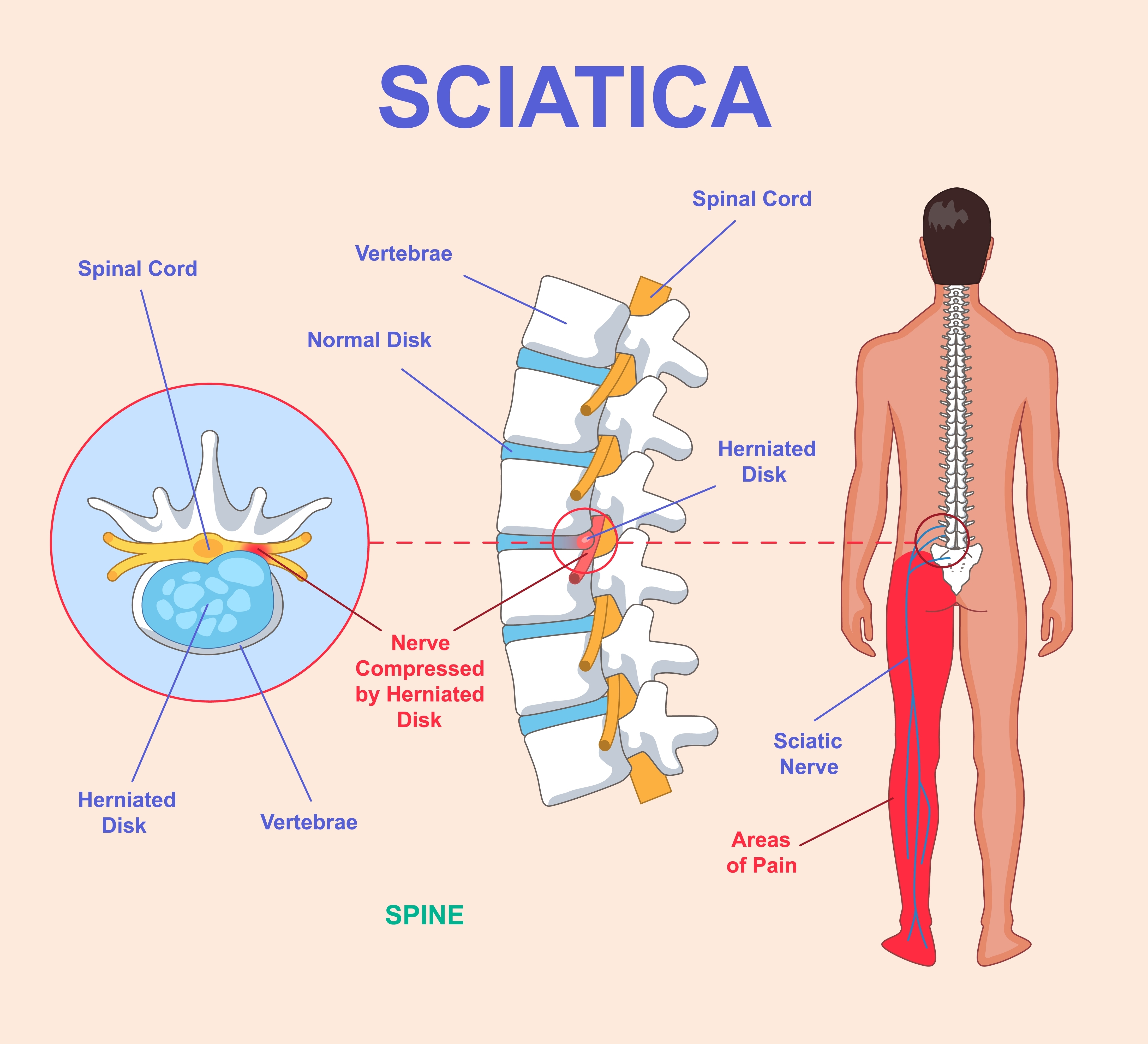
Malfunctioning nerves are probably the most concerning cause of spasms and cramps for people who've tried everything they know without success. This problem can come from misalignment of the spine, poor biomechanical movement, or improper function of a joint. You've probably heard the term "pinched nerve," and chiropractors often use the term "subluxation" — essentially, the bones forming the joint aren't aligned properly, aren't moving properly, or aren't functioning as they should, leading to the nerve malfunction that causes the spasm that leads to the cramp that leads to the pain. Are you following the cycle?
If muscle spasms are a recurring problem for you, a chiropractic exam can help identify whether spinal misalignment or nerve compression is playing a role — not just treat the cramp after it happens.
Our Latest Stories




Welcome to the Nas-Letter
NEW PATIENT CENTER
We understand that arriving at a doctor's office for the first time can be nerve racking. If you've never experienced chiropractic care before, you may not know what to expect when you come to our Alpharetta chiropractic office for the first time. Filling out paperwork, learning new faces and names, and getting to know your way around the office can be an overwhelming experience.
That's why at North Atlanta Spine our aim is to remove any unnecessary stress or tension and make you feel comfortable during your visit with our chiropractor.


